The Act of Building – TU Wien Guest Professorship
Academic host : TU Wien – Institute of Architectural Design
Partners : Wiener Linien & Wienerberger
A two-year guest professorship at the Institute of Architectural Design, TU Wien led by BC architects & studies & materials, focusing on clay as a bioregional building material in Vienna.
How do we reimagine construction when we begin with what’s beneath our feet?
A material narrative grounded in place
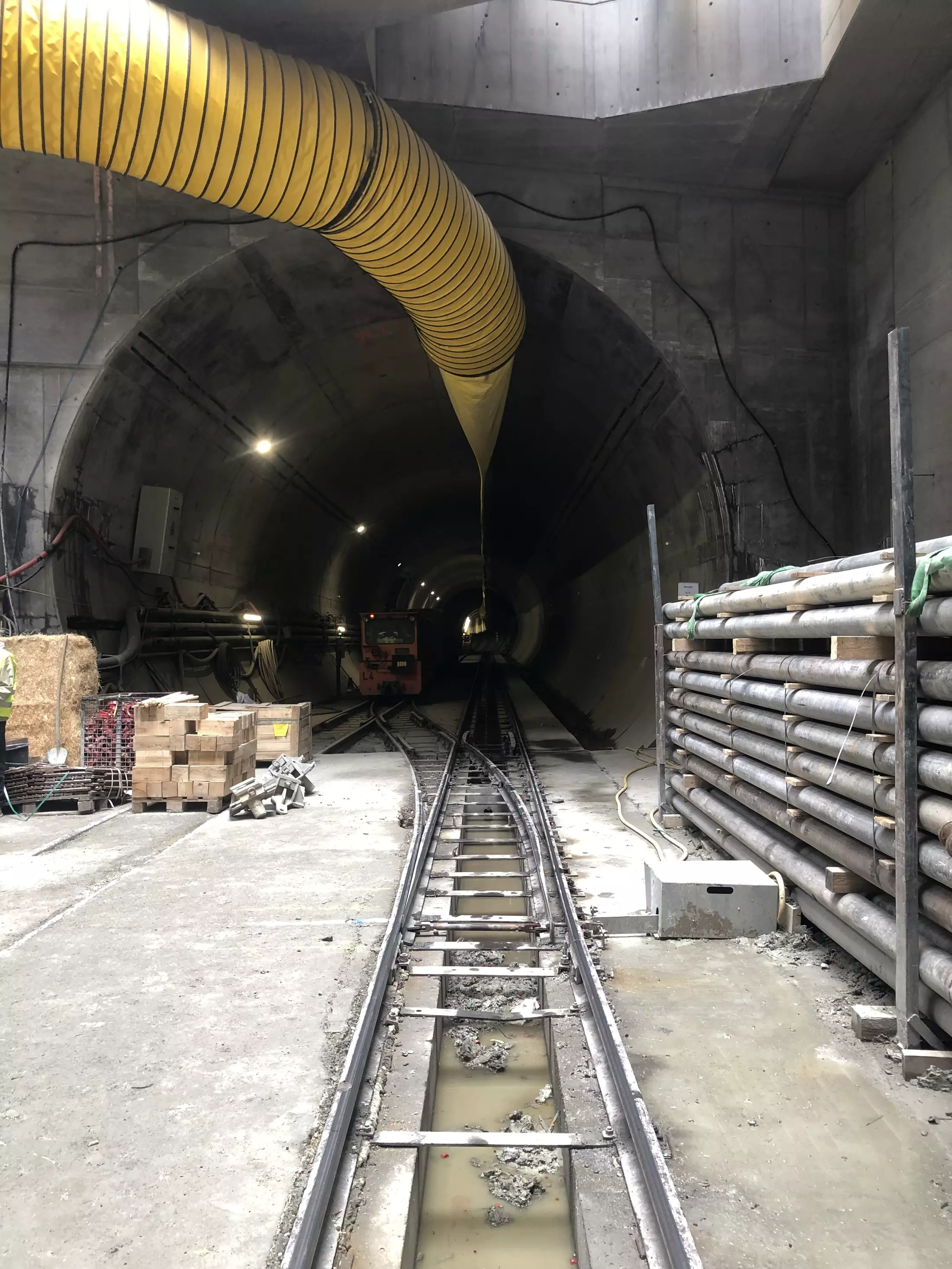
Each day, some 3,000 tons of clay are excavated from Vienna’s subway construction sites. Nearly all of it is transported away and treated as waste. At the same time, most new construction continues to rely on energy-intensive materials like concrete, steel, and styrofoam. What if instead of discarding, we reclaimed this urban resource?
The Act of Building: Act 1 – Prototyping Vienna
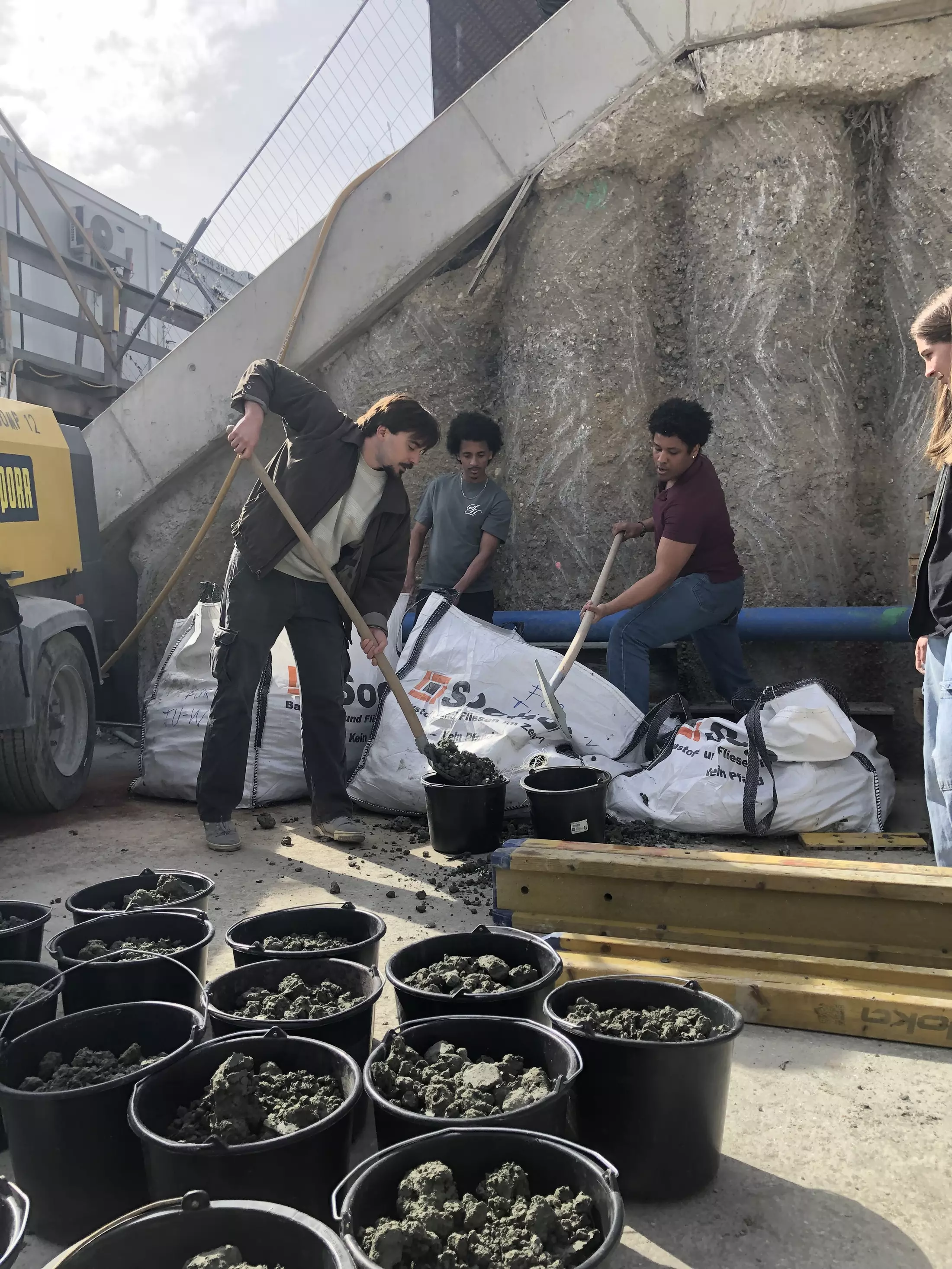
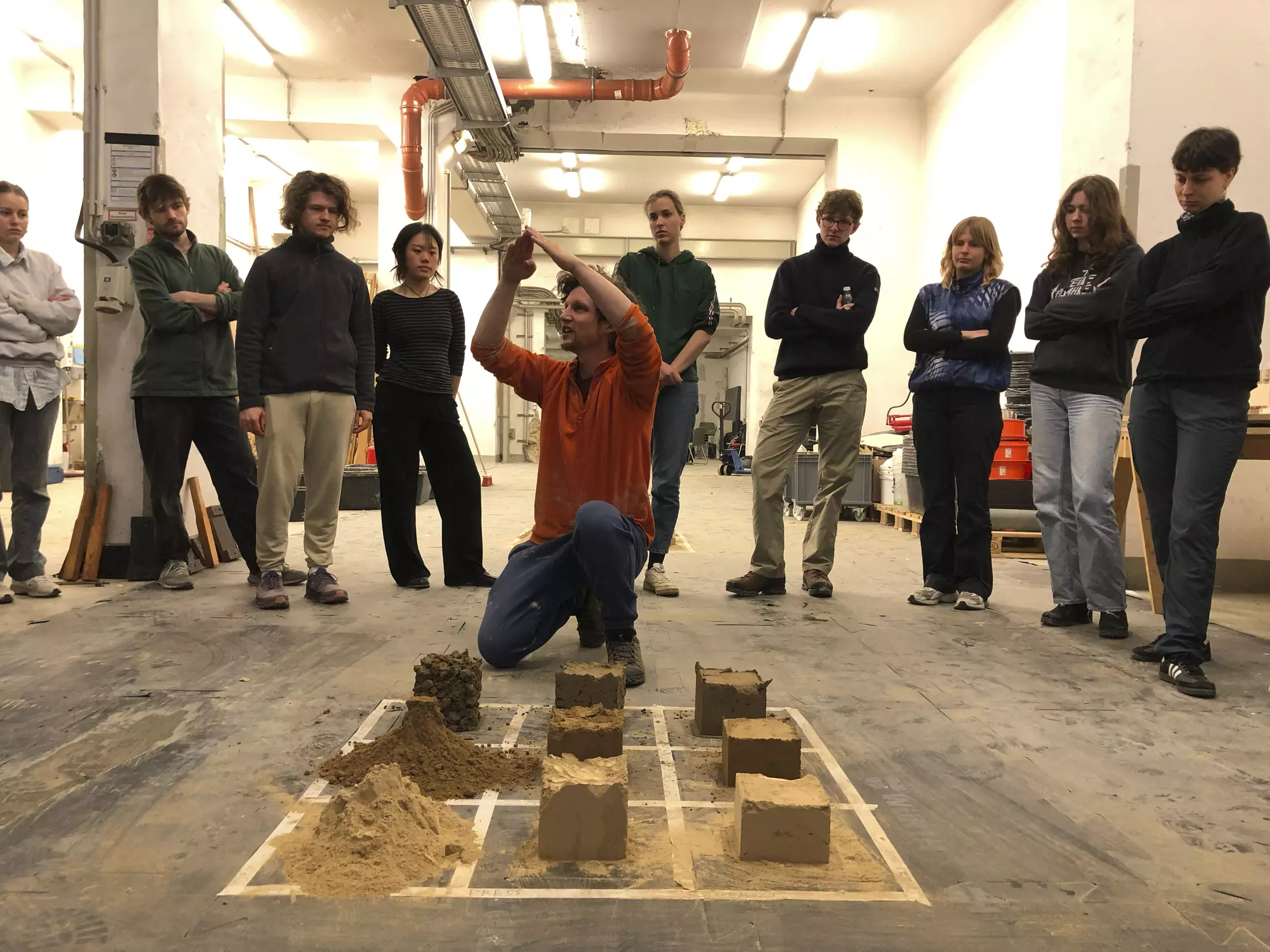
This first chapter of the program unfolds through a design studio, excursions, and hands-on workshops. Together with TU Wien students, industry partners (Wienerberger, Wiener Linien), and local experts, we explore the hidden potential of Vienna’s clay.
By combining fieldwork with prototyping, the studio seeks to reconnect building with its material origins and social context—treating construction not only as an act of assembly but as a layered process of observation, testing, and care.
The process is structured into three phases of discovery:
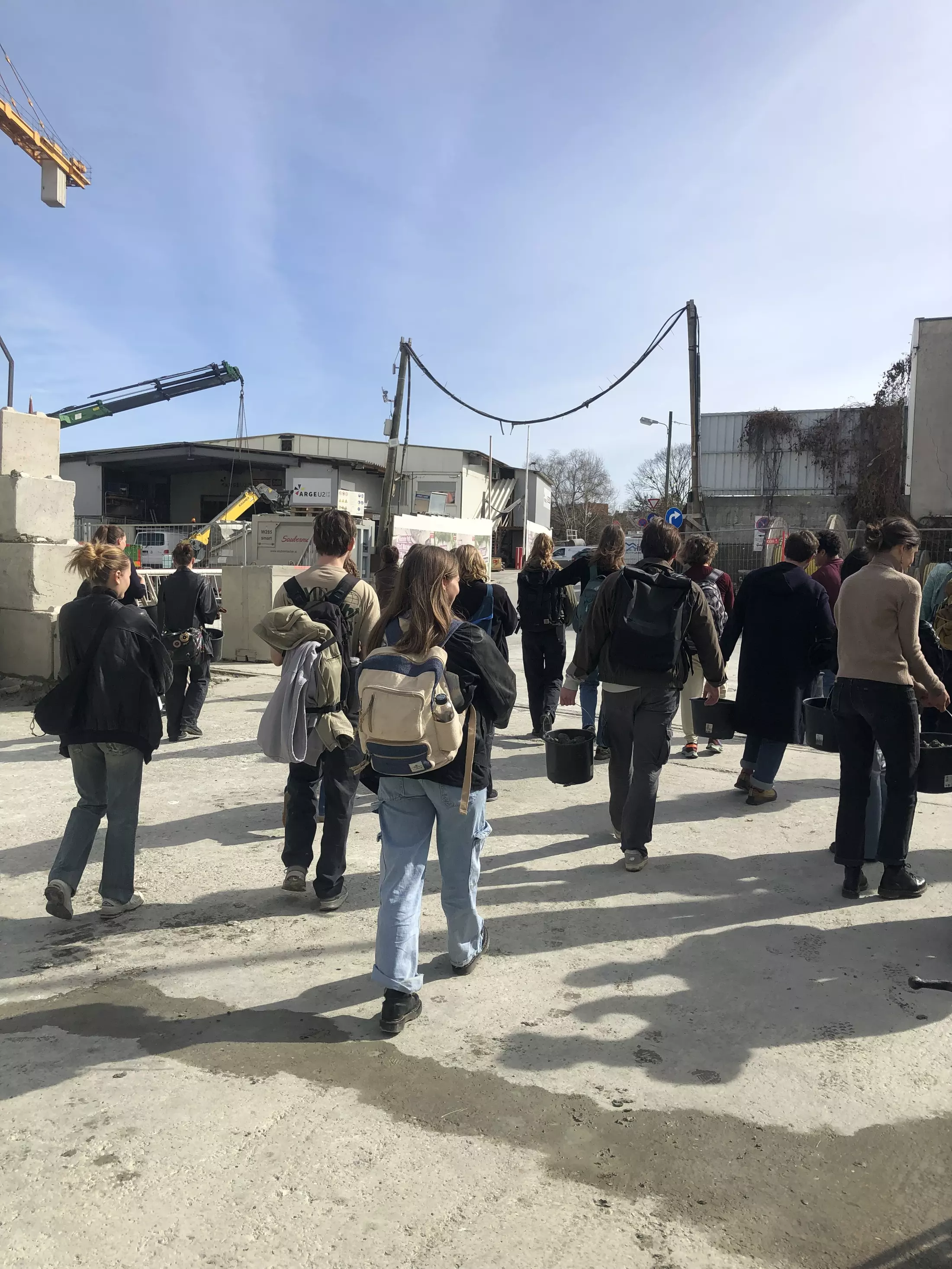
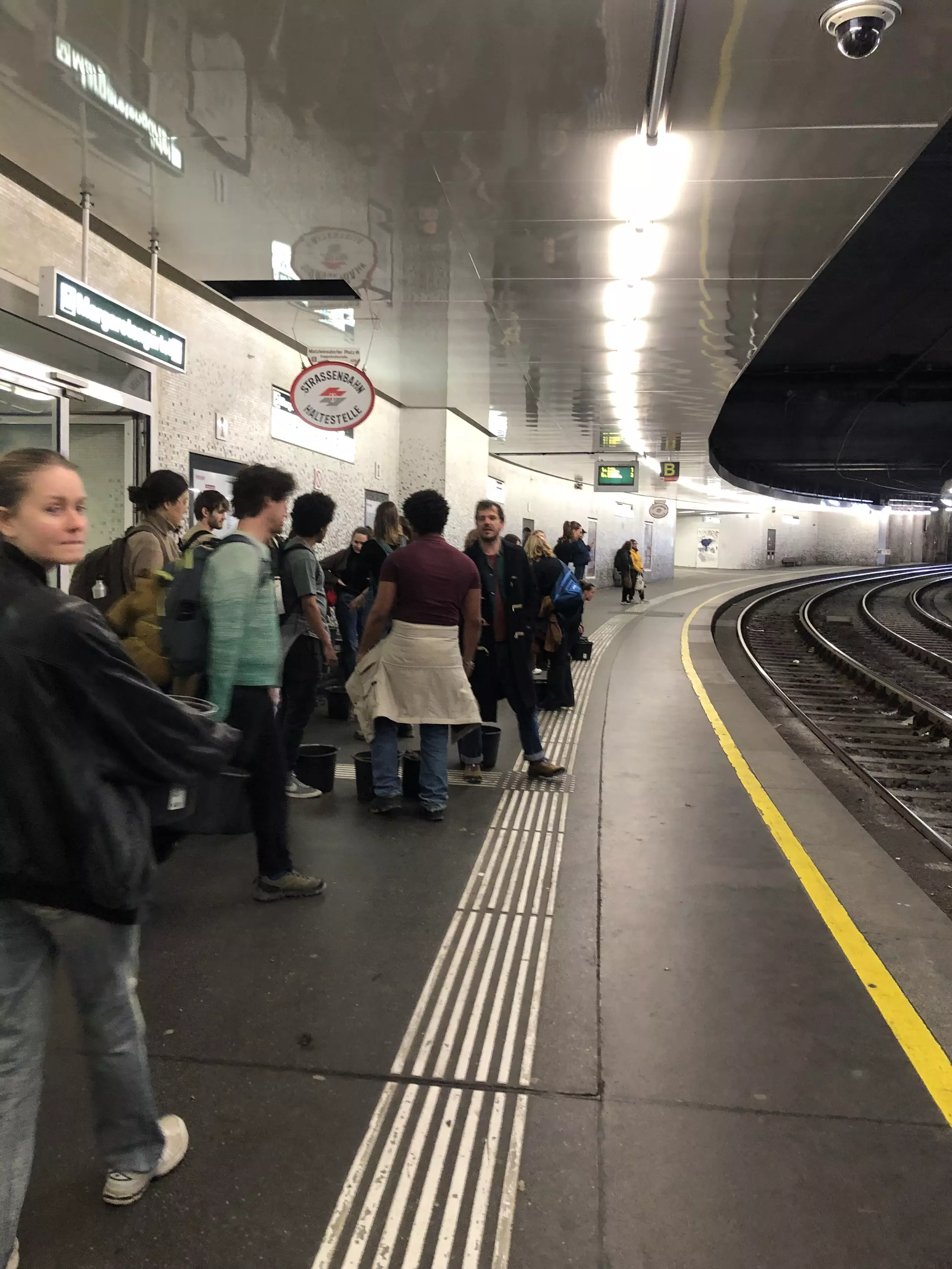
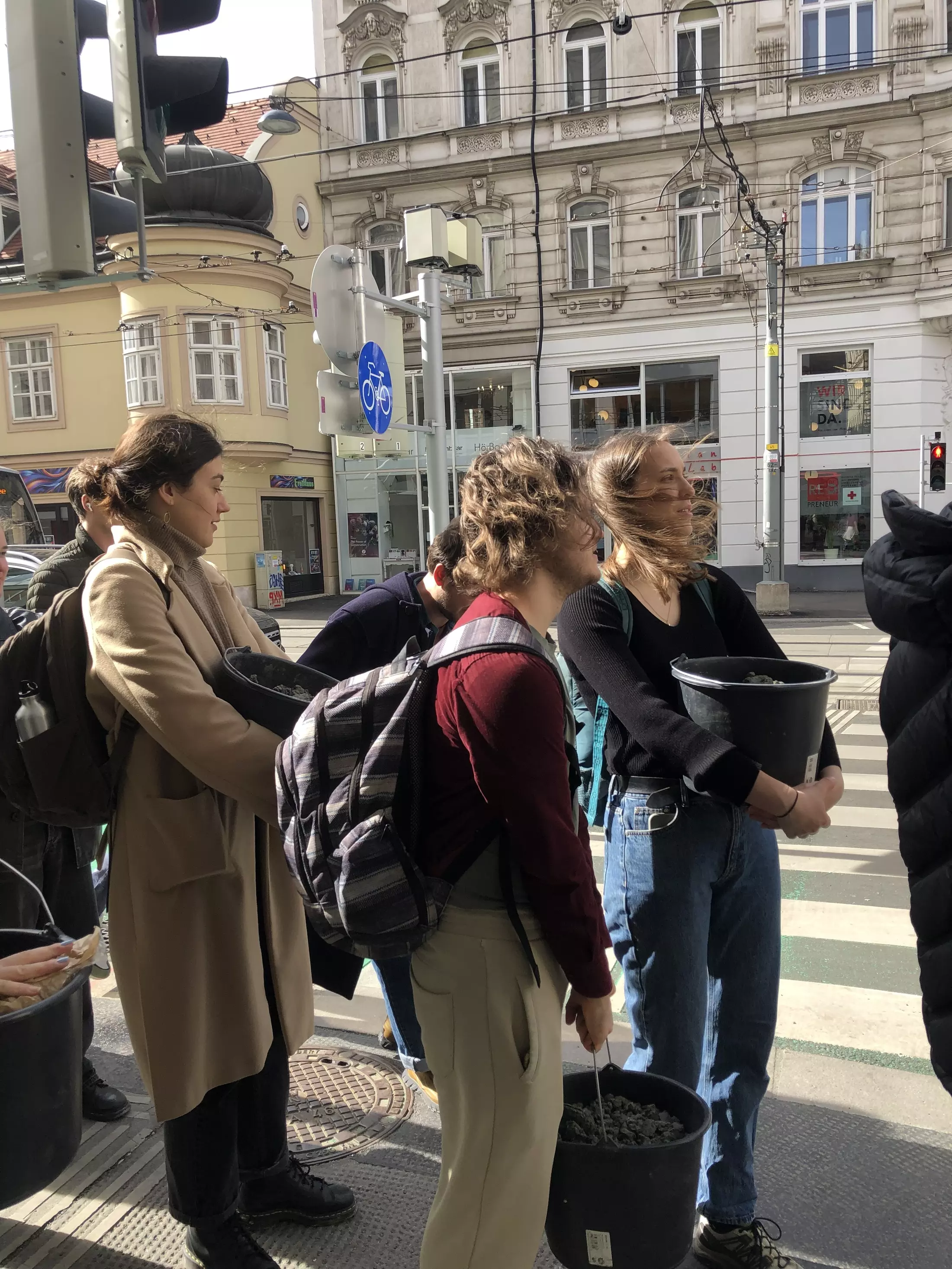
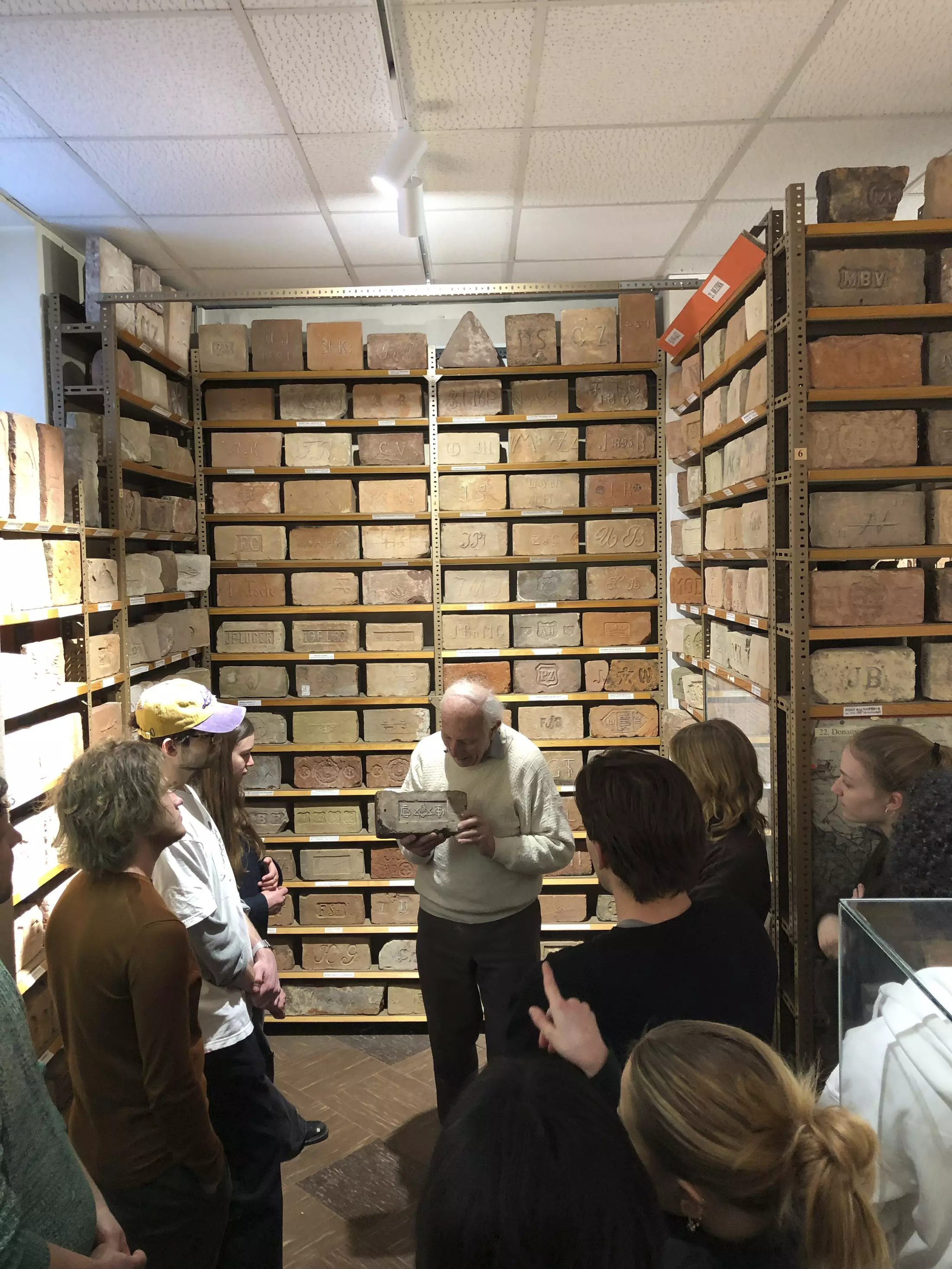
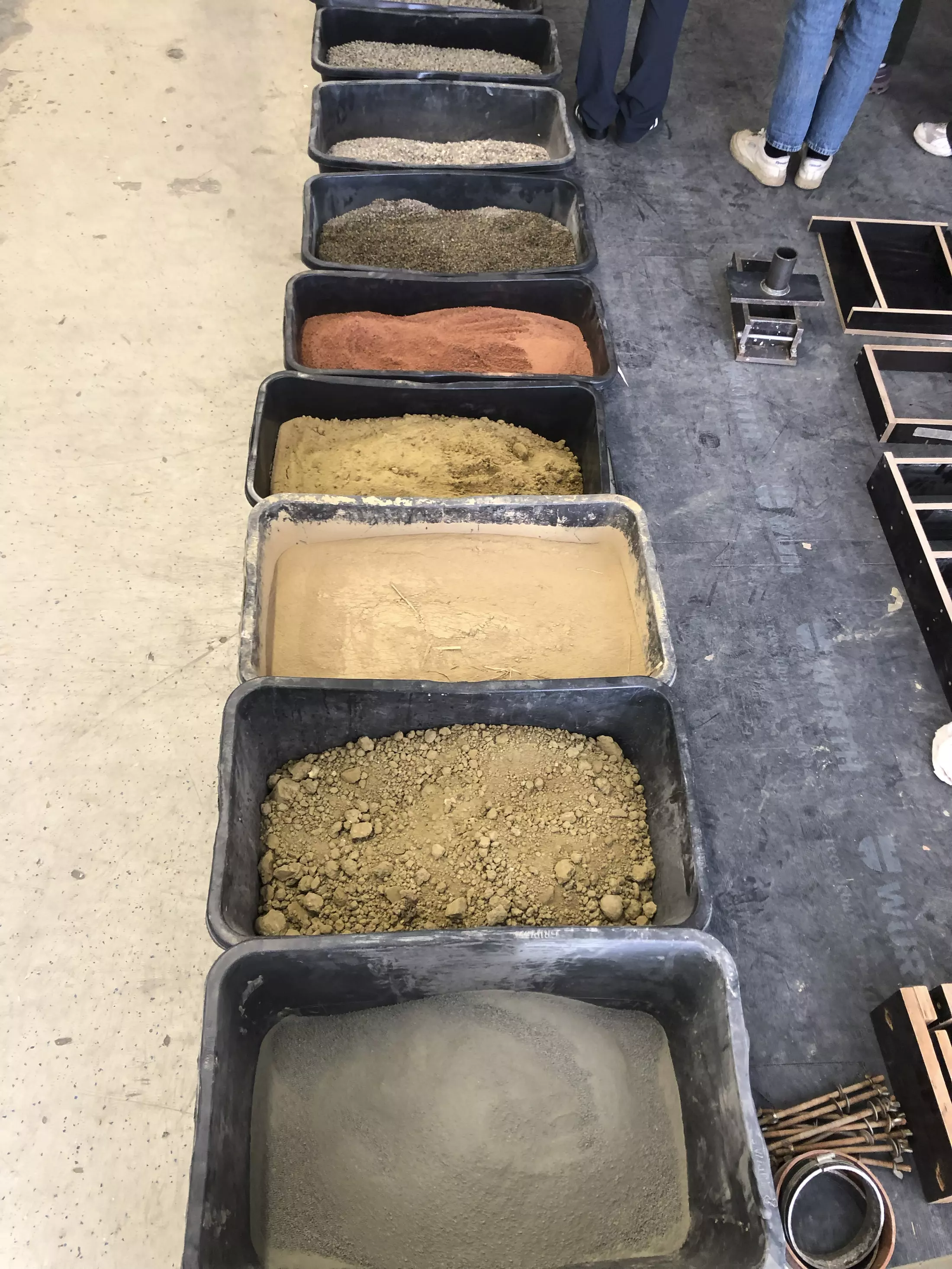
- Building Culture - Research & Experimentation: The semester begins with an exploration of Viennese building culture. Through visits to Wiener Linien metro excavation sites, lectures by a geologist on Vienna’s geological formation, and presentations on the history of brick production and housing development, students develop a broad understanding of Vienna as a bioregion.
Students are divided into five groups, each tracing a different stage in the life cycle of clay within the city:- Material resources in the Vienna bioregion
- Extraction, sourcing, transportation, and logistics
- Processing and manufacturing
- Construction and applications
- Earth as material in Vienna: maintenance culture
Each group maps the ecosystem shaping the use of clay today, identifying its challenges and future potential.
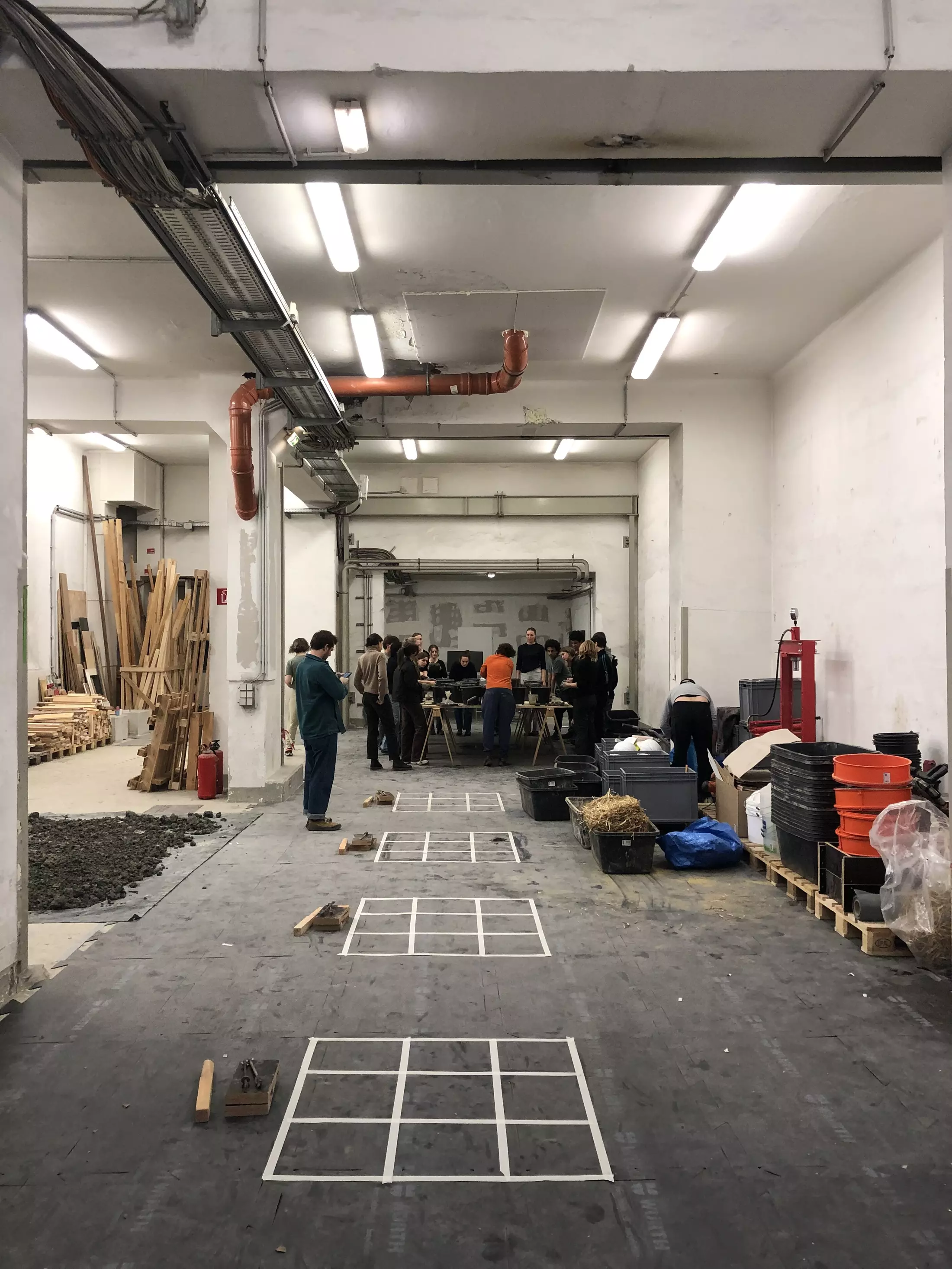
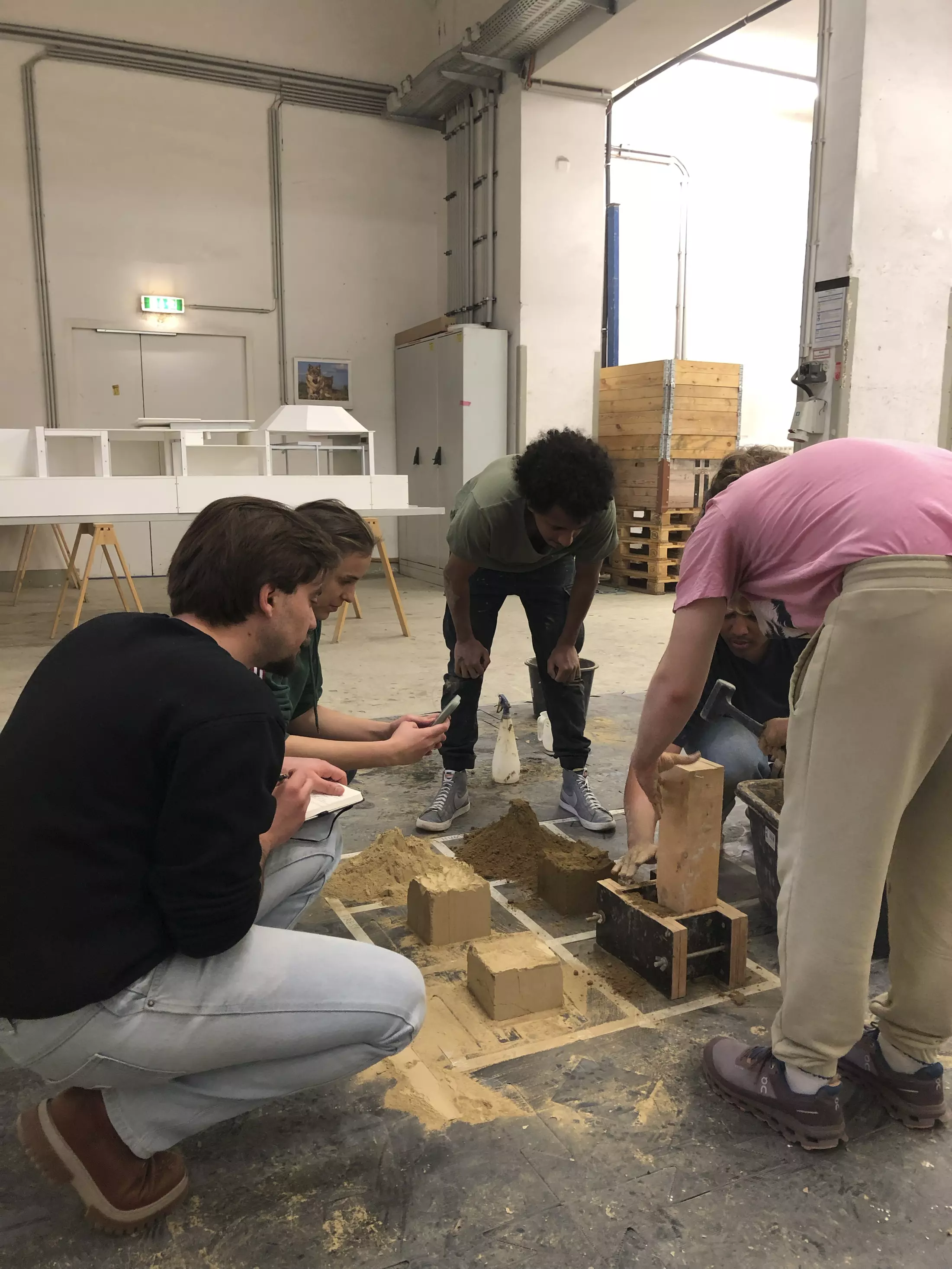
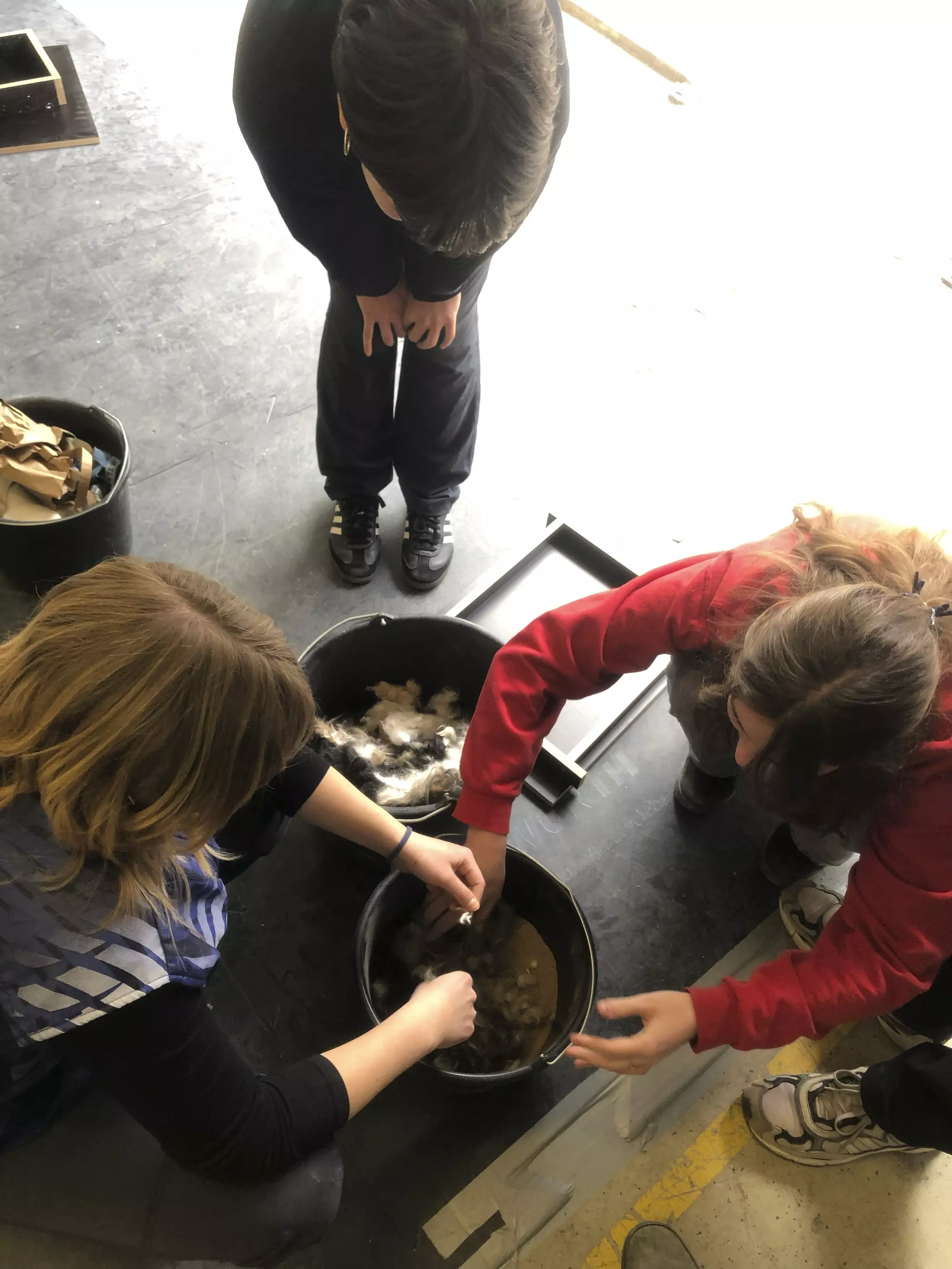
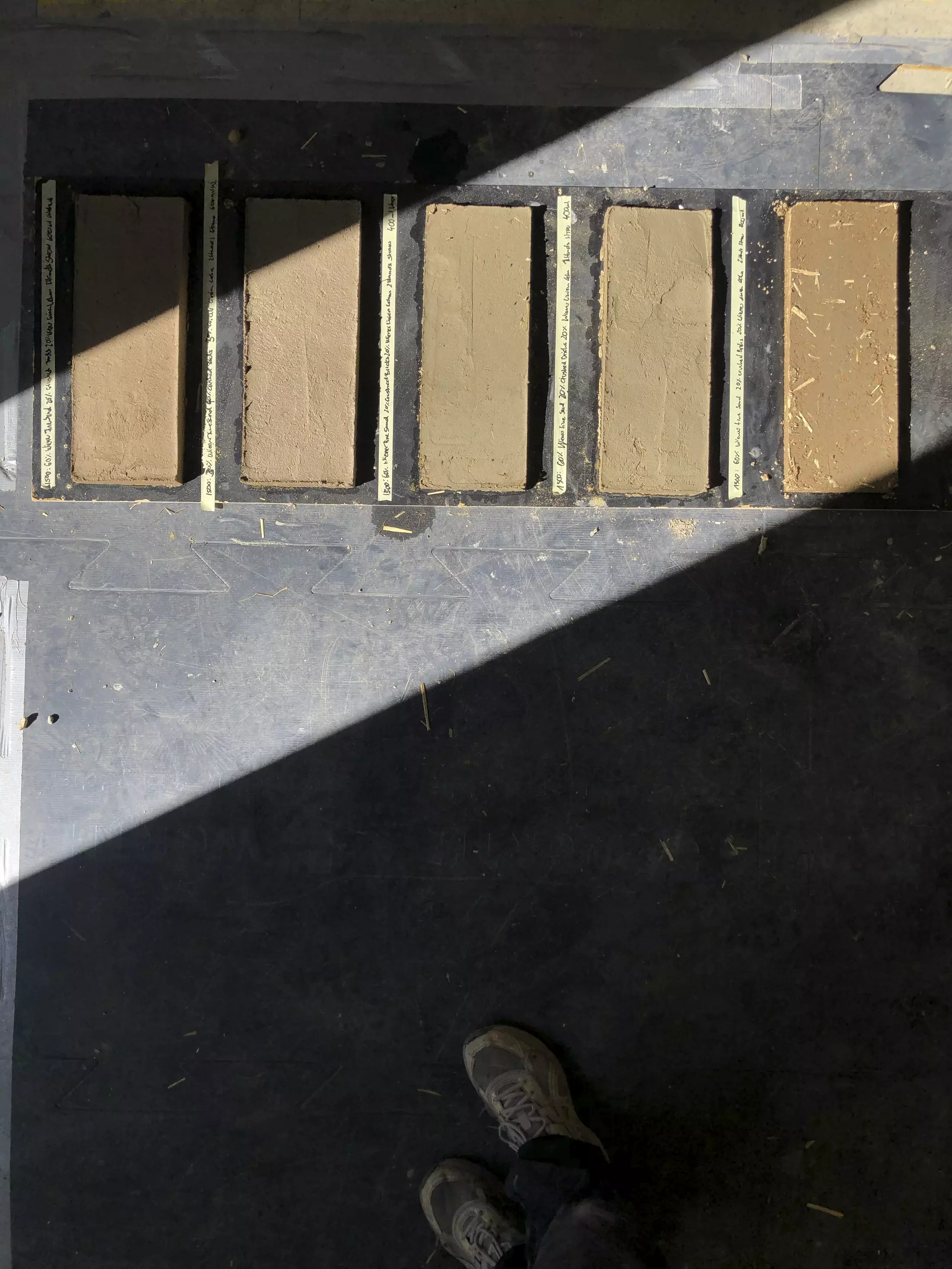
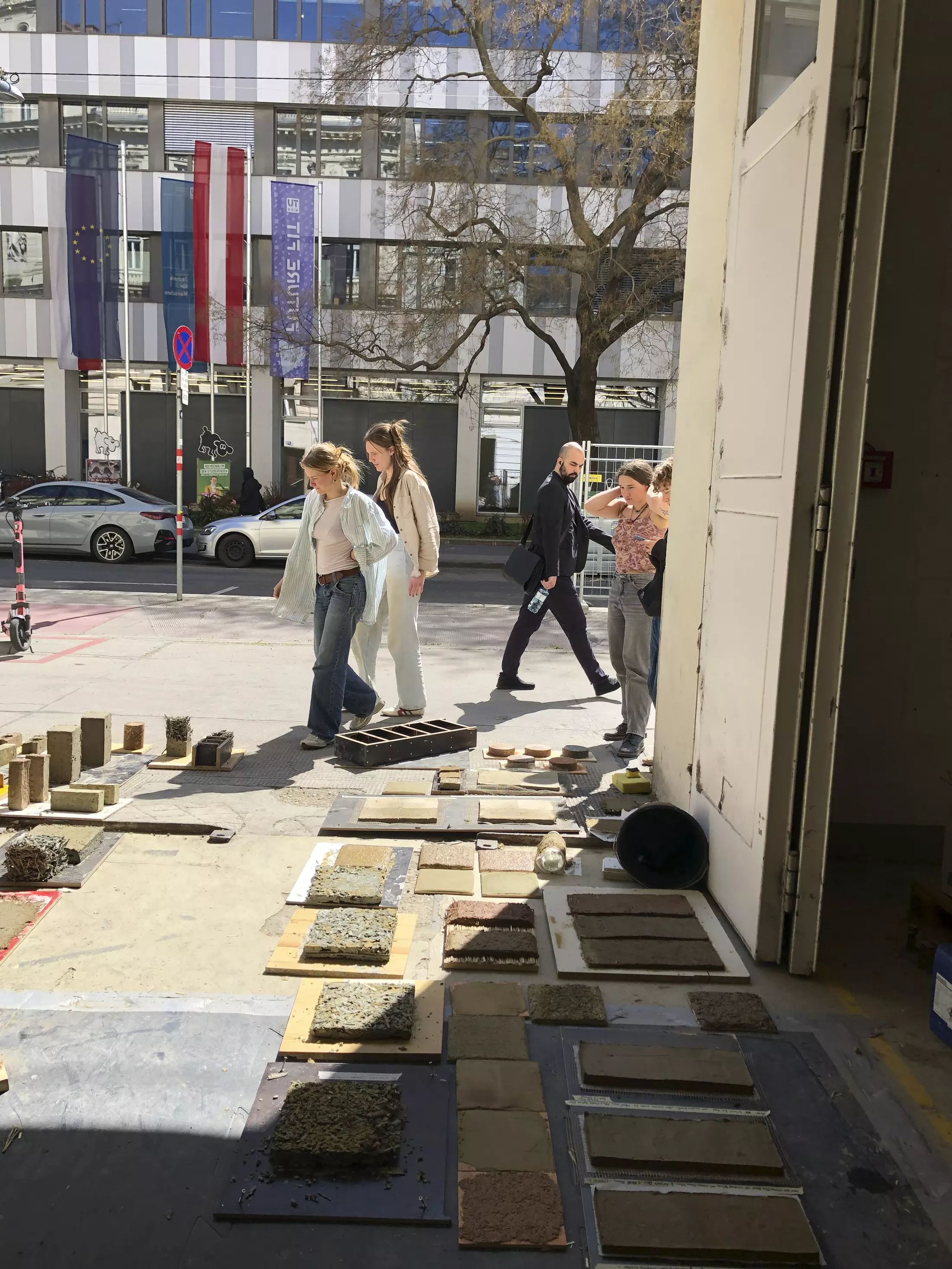
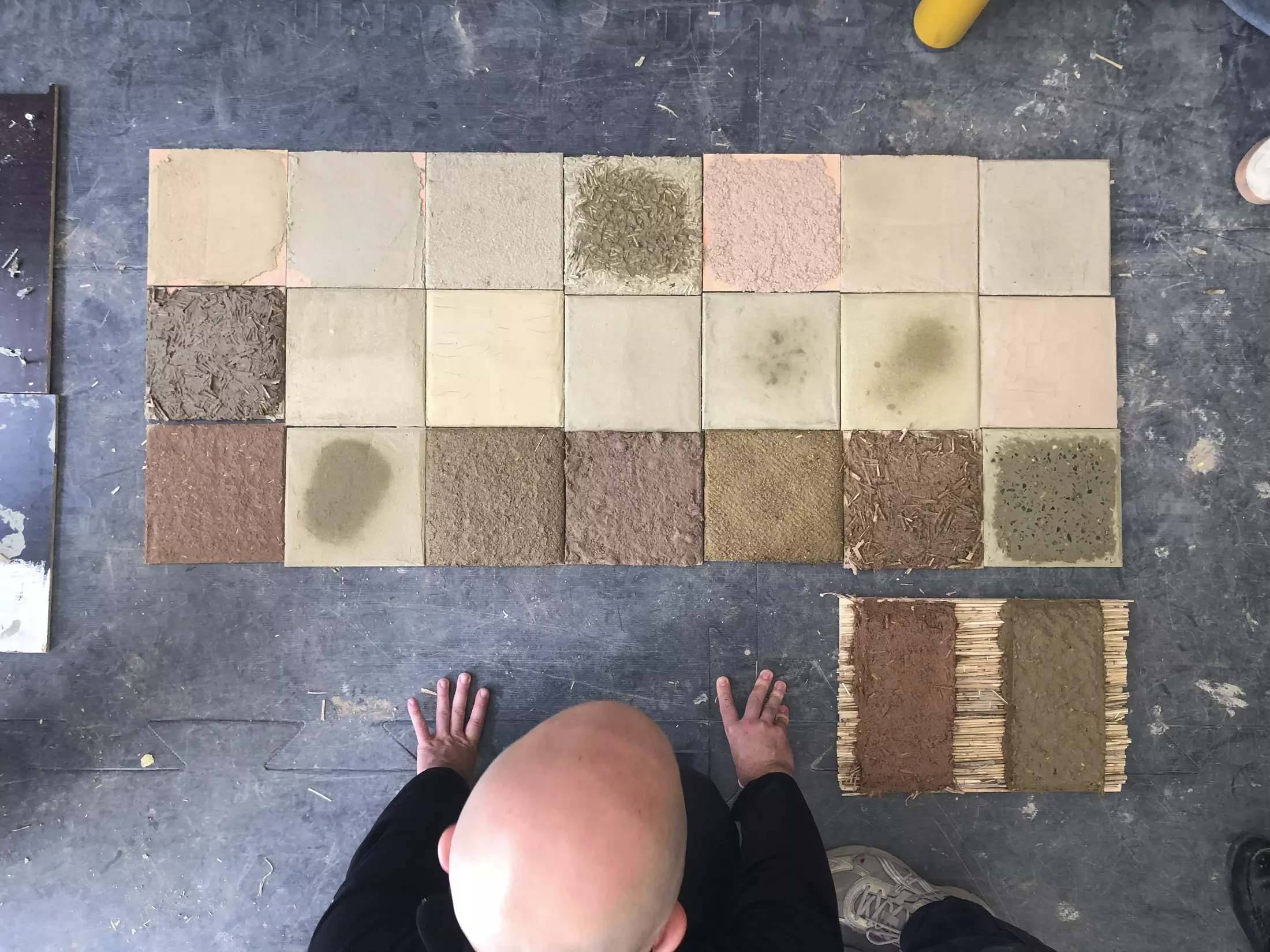
- Building Component - Research & development: In the second phase, students focus on specific building components—either for renovation or new construction—to explore the application of earth in defined architectural situations. The five groups develop prototypes for earth slabs, insulating blocks, decorative panels, molded earth blocks, and earth plasters. Research centers on developing locally grounded material recipes and integrating additional bioregional resources. The goal is to create components that can be realistically extrapolated to real-world conditions.
- rototyping an architectural scene: Production & documentation: In the final chapter, students situate their components within full architectural scenarios. They construct 1:1 mock-ups, integrating the elements into coherent construction logics for new or existing contexts. The outcome is both a built prototype and an architectural scene that communicates material expression, aesthetic qualities, and an architectural language rooted in Vienna’s building culture.
The Act of Building: Act 2 – Probing Brussels
In the second part of this guest professorship, students travel on an excursion to Brussels, using the city and its architecture as a case study for alternative ways of applying circular construction principles within an urban context. They visit a range of projects that integrate urban-, bio-, and geo-based materials, as well as companies, practices and artists engaged in knowledge exchange or in promoting locality in different ways.
As part of this trajectory, the students take part in the October School.
In the final phase of the semester, students return to Vienna to reflect on what they bring back from Belgium to Austria. Working in small groups, they examine the significance of this exchange, identify missing links, and investigate Vienna’s potentials, as well as how Brussels-based practices can be translated into the local context. Their research addresses questions such as: how reuse can be more integrated into the construction process; how a broader community around bioregional design and craftsmanship can be developed; how scientific knowledge can be communicated in an accessible and experiential way to unlock the potential of earth-based materials; how a circular strategy for windows might be devised and what challenges it entails; and what it means to develop a bioregional material library for future users.
These five research trajectories culminate in a collective exhibition, which will be on view at TU Wien in early 2026.
A long-term commitment
This design studio marks the first phase of a two-year research and development cycle led by BC. In the second phase, the program will evolve towards applied material research, further prototyping, and dissemination, in dialogue with partners across Vienna’s academic, industrial, and public landscape.